Author: save0

  • Shooting a Drift Day: What’s Actually in the Bag

    Shooting a Drift Day: What’s Actually in the Bag

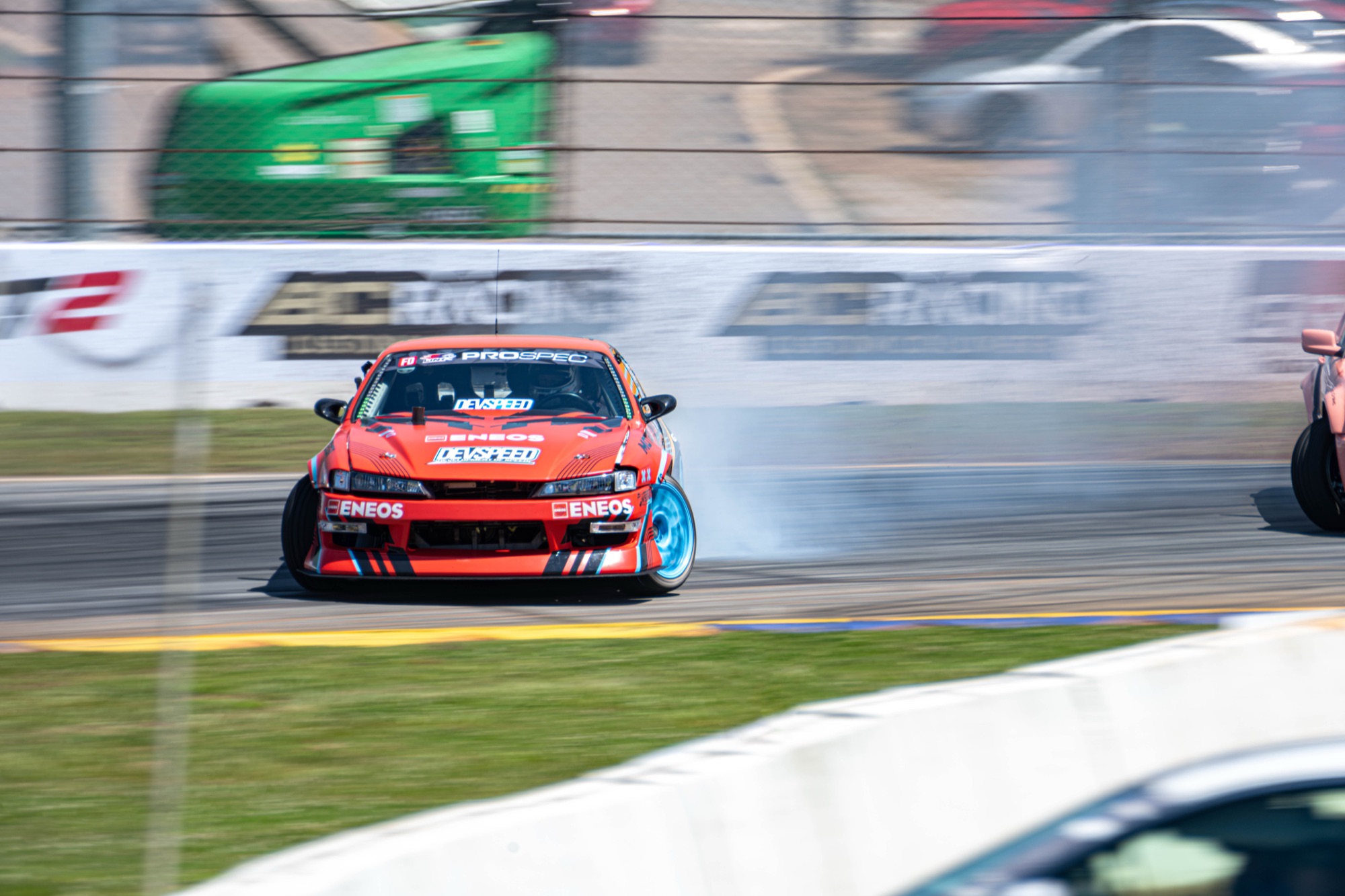
    Most people assume drift coverage means a huge lens and a spot on the fence. In practice it is closer to running — moving between corners, reading which car is about to send it, and getting low before the smoke rolls through. We shoot every event the same way: one body on a standard zoom for wide entry shots, a second body with a longer lens for the apex, and a GoPro rigged to whatever car will let us mount one.

    The corner exit is where the shot actually happens. Too early and you get a car pointed the wrong way with no smoke. Too late and the moment is gone and you are photographing an empty apex. We have missed enough of these to know the tell: watch the front wheels, not the smoke.

    Video coverage runs alongside stills the whole day, which means matching angles without doubling up on gear weight. If you are running an event and want both handled by one crew instead of two separate vendors showing up with overlapping equipment, that is exactly the kind of job we like taking on.
    Read the full post →: Shooting a Drift Day: What’s Actually in the Bag
  • Why We Still Load a Roll

    Why We Still Load a Roll

    There is a specific kind of patience film forces on you. Thirty-six frames, no chimping the back of a screen, no instant retake. You slow down, you actually compose, and by the time the roll comes back from developing you have half forgotten what you shot — so looking at the scans feels less like reviewing footage and more like finding photos someone else took.

    That delay is not a bug. It is the entire appeal for a lot of the people who buy film from us. Whether it is a wedding second-shooter loading Portra for the reception, or someone bringing an old camera back to life with a roll of Gold 200, the reason is usually the same: they want the images to look like something happened, not like a sensor recorded it perfectly.

    We stock 35mm and 120 in both color and black and white, and if you are not sure what stock fits what you are shooting, that is genuinely the easiest question to ask us. Send us the lighting and the subject and we will tell you what we would load.

    Read the full post →: Why We Still Load a Roll
  • What Actually Happens to Your Film After You Drop It Off

    What Actually Happens to Your Film After You Drop It Off

    Color negative film (C-41) is the fastest turnaround because the chemistry is the most standardized — Kodak Gold, Portra, Ektar, ColorPlus all run through the same process regardless of brand. Black and white takes longer because there is more than one developer worth using depending on the stock and how it was shot, so we make a call on chemistry per batch instead of running everything through one tank.

    Once a roll is developed, it gets cut, sleeved, and scanned frame by frame. This is the step people usually do not think about: a bad scan can undo a perfectly exposed negative, so we scan at a resolution that holds up if you want to print large later, not just enough for a phone screen.

    You get digital files back either way, but we hang onto the physical negatives for pickup rather than discarding them — they are the actual archive. A hard drive can fail. A properly stored negative sleeve just sits in a drawer for twenty years and still scans fine.

    Read the full post →: What Actually Happens to Your Film After You Drop It Off
  • The Camera That Still Earns Its Keep: Yashica FX-2

    The Camera That Still Earns Its Keep: Yashica FX-2

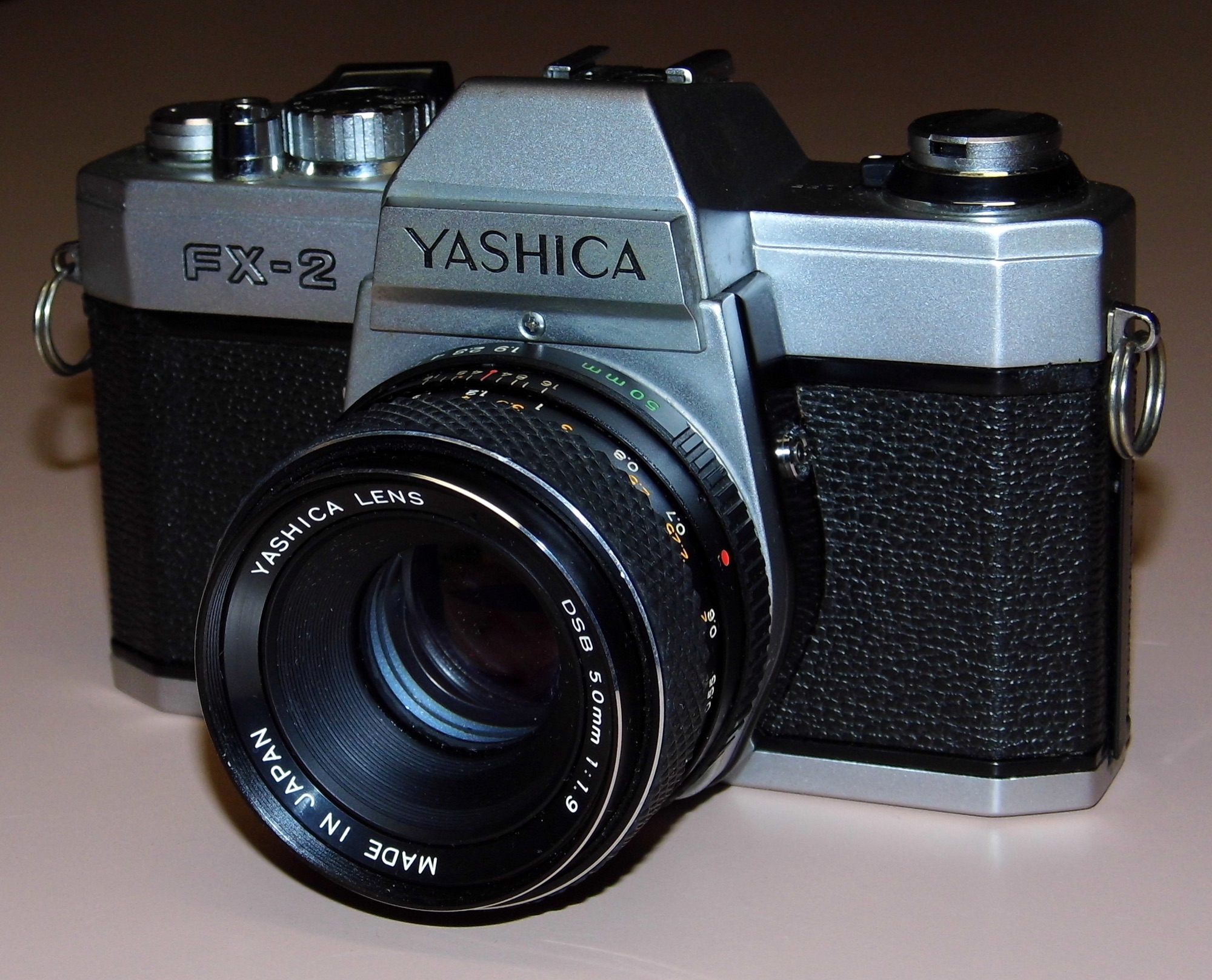
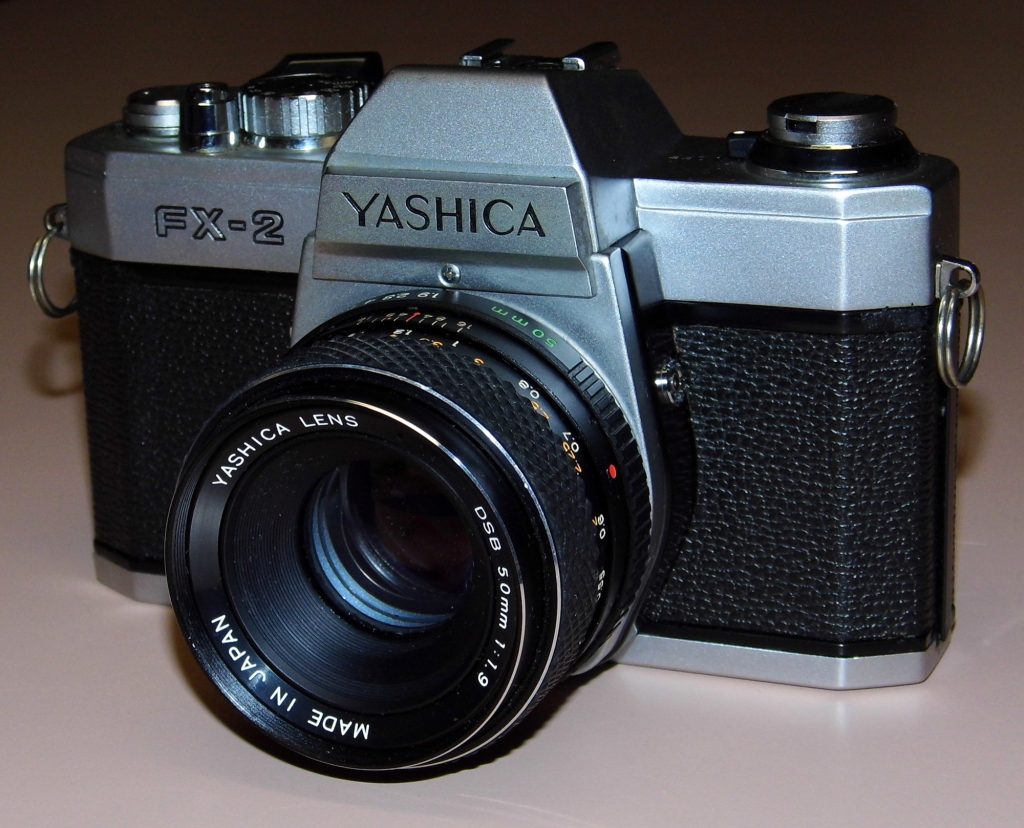
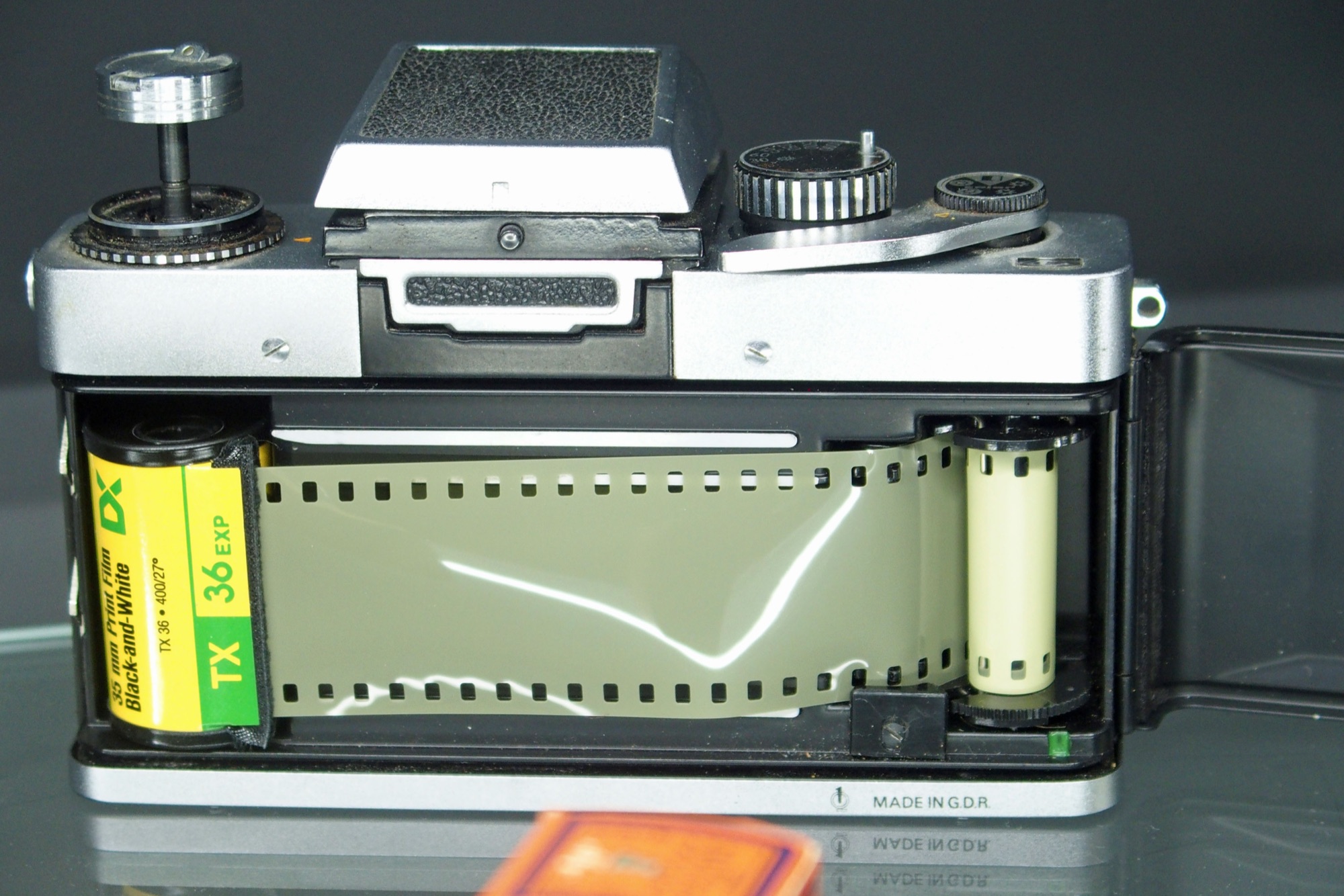
    Fully mechanical cameras have one advantage that never shows up on a spec sheet: they do not care if the battery died three years ago. A Yashica FX-2, or anything from the same era, will fire whether or not there is power in it, because the shutter is spring-driven, not electronic. That matters more than it sounds like it should when you are shooting somewhere cold or somewhere you simply forgot to check the battery.

    It also forces the same discipline film already forces on you — meter with your eyes or a handheld light meter, set it, and commit. No exposure compensation dial to lean on. The learning curve is real for about two rolls and then it stops being a limitation and starts being how you actually want to shoot.

    If you have an old body sitting in a drawer and are not sure if it still works, bring it in. Half the time the answer is a light seal replacement and a clean, and it is shooting again the same week.

    Read the full post →: The Camera That Still Earns Its Keep: Yashica FX-2